

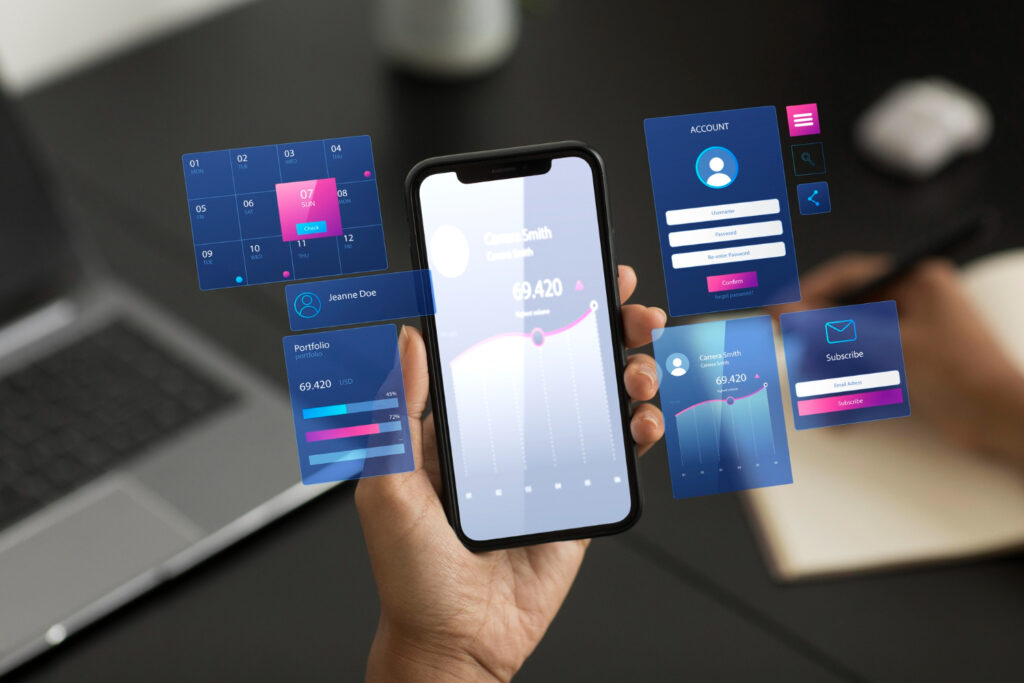
As businesses continue to prioritize digital experiences, the demand for faster, more reliable, and user-friendly websites has never been higher. Traditional websites often struggle with performance, engagement, and mobile usability, while native mobile apps can be expensive to develop and maintain. This is where Progressive Web Apps (PWAs) are changing the game.
Progressive Web Apps combine the best features of websites and mobile applications, delivering fast, engaging, and app-like experiences directly through a web browser. In 2026, PWAs have become a preferred solution for businesses looking to improve customer engagement, increase conversions, and reduce development costs.
In this article, we’ll explore what PWAs are, their key benefits, and why they represent the future of business websites.
What Is a Progressive Web App (PWA)?
A Progressive Web App is a web application built using modern web technologies that provides users with an app-like experience on any device. PWAs can be accessed through a browser but offer many features traditionally associated with native mobile applications.
Key Characteristics of PWAs:
- Responsive design across all devices
- Fast loading speeds
- Offline functionality
- Push notifications
- Secure HTTPS connections
- Home screen installation
- App-like user experience
Unlike traditional apps, users do not need to download PWAs from app stores, making them easier to access and use.
Why Businesses Are Adopting PWAs in 2026
Modern consumers expect instant access to information and seamless digital interactions. PWAs help businesses meet these expectations while providing significant operational and financial benefits.
Growing Business Priorities:
- Better mobile experiences
- Faster website performance
- Higher user engagement
- Improved conversion rates
- Lower development costs
PWAs address all these requirements while eliminating many of the challenges associated with native app development.
1. Faster Website Performance
Website speed directly impacts user experience, search rankings, and conversion rates.
PWAs use advanced caching technologies and service workers to load content quickly, even on slow network connections.
Benefits:
- Reduced page load times
- Improved user satisfaction
- Lower bounce rates
- Better SEO performance
Studies consistently show that faster websites lead to increased customer engagement and higher sales conversions.
2. Enhanced Mobile User Experience
Mobile traffic now accounts for the majority of website visits worldwide. Businesses must deliver exceptional mobile experiences to remain competitive.
PWAs provide:
- Smooth navigation
- Mobile-friendly interfaces
- App-like interactions
- Fast responsiveness
Users enjoy a consistent experience across smartphones, tablets, and desktops without requiring separate applications.
3. Offline Accessibility
One of the most powerful features of PWAs is their ability to function even when internet connectivity is limited or unavailable.
Offline Capabilities Include:
- Viewing previously loaded content
- Accessing product catalogs
- Browsing saved pages
- Completing certain user actions
This feature is particularly valuable for businesses serving users in regions with unstable internet connections.
4. Increased Customer Engagement
PWAs help businesses maintain stronger relationships with customers through interactive features and personalized experiences.
Engagement Features:
- Push notifications
- Personalized content
- Quick access via home screen icons
- Faster interactions
Businesses can send targeted updates, promotions, reminders, and announcements directly to users without requiring a native mobile app.
Results:
- Higher return visits
- Increased customer retention
- Better user engagement metrics
5. Improved Search Engine Optimization (SEO)
Unlike traditional mobile apps, PWAs are fully indexable by search engines.
SEO Advantages:
- Faster loading speeds
- Mobile-friendly design
- Better Core Web Vitals scores
- Improved user experience signals
- Enhanced discoverability
Google continues to prioritize website performance and mobile usability, making PWAs an excellent choice for businesses focused on search engine visibility.
6. Cost-Effective Development
Developing separate applications for iOS, Android, and web platforms can be expensive and time-consuming.
PWAs allow businesses to maintain a single codebase that works across multiple platforms.
Cost Benefits:
- Lower development expenses
- Reduced maintenance costs
- Faster deployment cycles
- Simplified updates
This makes PWAs particularly attractive for startups, small businesses, and growing enterprises.
7. No App Store Dependency
Traditional mobile applications require approval processes and ongoing compliance with app store policies.
PWAs eliminate these challenges by allowing users to access the application directly through a browser.
Advantages:
- Instant accessibility
- Faster updates
- No installation barriers
- Broader audience reach
Businesses can launch new features and updates immediately without waiting for app store reviews.
8. Better Conversion Rates
A seamless user experience often translates into improved business outcomes.
PWAs contribute to higher conversion rates through:
- Faster loading times
- Simplified checkout experiences
- Reduced friction
- Mobile optimization
For e-commerce businesses, these improvements can significantly increase revenue and customer satisfaction.
Why Your Business Should Consider a PWA
Businesses that invest in Progressive Web Apps gain a competitive advantage through improved performance, better user experiences, and reduced operational costs.
A well-designed PWA can help organizations:
- Increase customer engagement
- Improve search engine rankings
- Reduce development expenses
- Boost conversion rates
- Enhance brand loyalty
Whether you’re running an e-commerce store, service-based business, SaaS platform, or corporate website, a PWA can provide the speed, reliability, and flexibility needed to succeed in today’s digital landscape.
Conclusion
Progressive Web Apps are transforming the way businesses deliver online experiences. By combining the accessibility of websites with the functionality of mobile applications, PWAs offer a powerful solution for organizations looking to improve performance, engagement, and customer satisfaction.
As businesses continue to prioritize digital transformation in 2026 and beyond, PWAs are emerging as a key technology that bridges the gap between web and mobile platforms. Investing in a Progressive Web App today can position your business for long-term growth, better customer experiences, and increased online success.